Research Topics
Computer Vision

It is a research field that aims to enable computers to recognize objects in the way humans perceive them through vision. By processing images acquired from cameras, the extraction of desired information from visual data is achieved through computer vision. Major application areas of computer vision include vehicle tracking, face recognition, character recognition, license plate recognition, and related topics.
- Dr. Öğr. Üyesi Bahaeddin Eravcı
- Dr. Öğr. Üyesi Tolga İnan
- Dr. Öğr. Üyesi Toygar Akgün
- Dr. Öğr. Üyesi Yücel Çimtay
- Prof.Dr. Ahmet Murat Özbayoğlu
- BİL 426: Sanal Gerçekliğe Giriş
- BİL 441: Yapay Us
- BİL 467: Görüntü İşleme
Information Security & Cryptography

Cyberattacks, which are becoming increasingly widespread and sophisticated, necessitate the development of new techniques for computer incident response. Essentially, incident response and evidence collection pursue three main objectives: (i) understanding the impact of the attack, (ii) characterizing the threat and identifying its propagation method, and (iii) determining the attack path and how the attack bypassed existing security mechanisms. These objectives can only be achieved through the analysis of data obtained from multiple sources related to the attack. This analysis process is typically highly complex, manual, and slow.
The primary aim of this research is to develop a system that assists and guides incident response teams in post-attack analysis. The system will proactively monitor, correlate, and analyze data from multiple sources in order to identify what is “abnormal” within the data. During incident response, the system will generate analyst-oriented outputs from network- and system-based data, starting from the incident information provided to it and aligning with the analyst’s workflow.
- Prof. Dr. Ali Aydın Selçuk
- Bil 520 Siber Güvenliğe Giriş
- Bil 548 İnternet Güvenlik Protokolleri
- BİL 420 Siber Güvenliğe Giriş
- BİL 427 Blokzincir Teknolojileri
- BİL 452: Veri İletişimi ve Bilgisayar Ağları
- BİL 457: Kablosuz Ağlar
- BİL 553: İnternet ve Veri Güvenliği
Computer Architecture
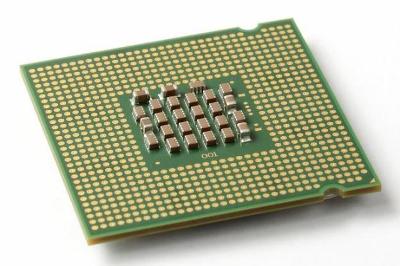
Computer architecture focuses on the hardware aspects of computer systems. Processor architecture, low power consumption, and performance optimization are among the core topics of computer architecture. In particular, low-power designs and multicore processors for servers have been prominent research areas in recent years. In addition to these topics, research is also conducted on transient faults (soft errors) and graphics processing units.
Related Research Laboratories
- Microprocessors Laboratory (Kasırga)
- Prof. Dr. Oğuz Ergin
- BİL 265: Mantık Devresi Tasarımı ve Uygulamaları
- BİL 361: Bilgisayar Mimarisi
- BİL 362: Mikroişlemciler
- BİL 566: İleri Bilgisayar Mimarisi
Biomedical Signal Processing
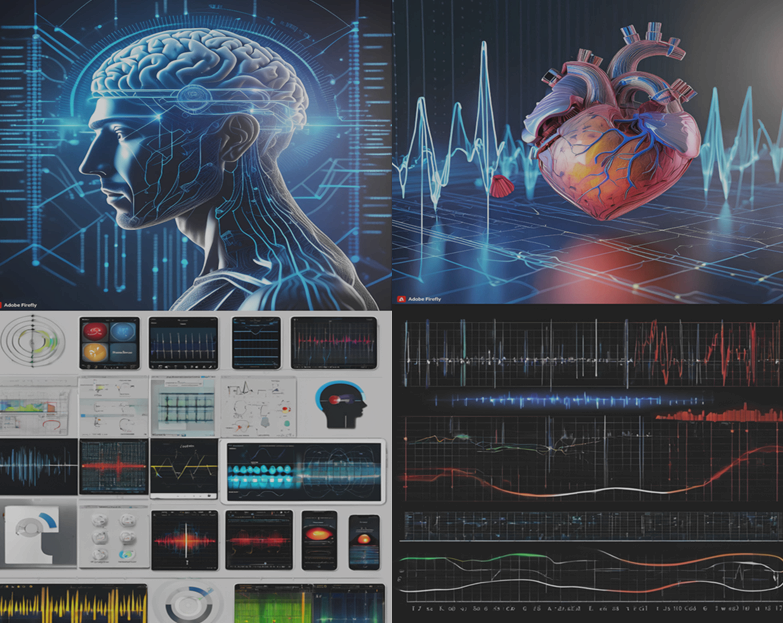
Biomedical signal processing is a multidisciplinary research field that enables the recording, analysis, and interpretation of biological signals obtained from the human body. Through the processing of electrocardiography (ECG), electroencephalography (EEG), electromyography (EMG), and other biophysiological signals such as blood pressure, respiration rate, and skin conductance, analyses including disease diagnosis, patient monitoring, health status assessment, affect estimation, and fatigue and concentration measurement can be performed. Research in this field involves processes such as removing noise and unwanted artifacts from raw biomedical signals, decomposing signals into different frequency components, feature extraction, and temporal and spatial analysis of signals.
In recent years, the integration of artificial intelligence and machine learning methods into biomedical signal processing has enabled the development of more accurate diagnostic systems. Systems equipped with deep learning algorithms can analyze large-scale datasets to detect abnormal conditions more rapidly and reliably. The main application areas of biomedical signal processing include heart rhythm analysis, brain wave analysis, monitoring of muscle activity, evaluation of respiration and blood pressure variations, medical diagnostic systems, prosthetic control, and human–machine interaction.
Related Projects
- Assist. Prof. Yücel Çimtay – TÜBİTAK–The British Council, Newton–Katip Çelebi Program, 352175665, AffecTeach Project
- Dr. Öğr. Üyesi Yücel Çimtay
Big Data Analytics

Big data analytics uses advanced data processing and machine learning techniques to extract meaningful information from large-scale datasets. In this field, where traditional methods are often insufficient, solutions based on distributed computing are prominent. The simultaneous use of large numbers of CPUs and GPUs accelerates large-scale data analysis and model training processes. While GPUs handle computationally intensive tasks, CPUs are responsible for data preprocessing and coordination. This hybrid approach enables the development of data pipelines and models in fields such as finance, healthcare, and autonomous systems.
- Dr. Öğr. Üyesi Mehmet Burak Akgün
- BİL 401: Büyük Veriye Giriş
Natural Language Processing
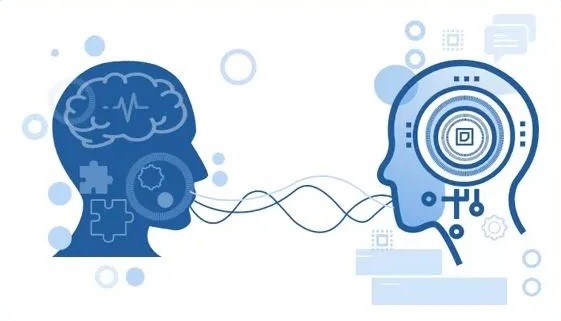
Natural Language Processing is a research field that involves the use of computers to understand, interpret, and generate human language. In addition to classical methods such as syntactic parsing, statistical language models, and rule-based systems, deep learning–based large language models have significantly advanced natural language processing technologies in recent years. These approaches have enabled the development of machine translation, text summarization, sentiment analysis, speech recognition, question answering systems, and chatbots, and have begun to exhibit human-like capabilities in understanding and generating text. Current research topics include multilingual systems, contextual understanding, multimodal models, and the application of these technologies across diverse domains.
- Dr. Öğr. Üyesi Bahaeddin Eravcı
- Dr. Öğr. Üyesi Mücahid Kutlu
- BİL 471: Doğal Dil İşleme
Embedded Systems
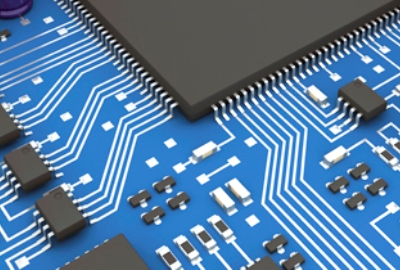
Embedded systems are computer systems that perform a dedicated function within a larger electronic or mechanical system, often under real-time computational constraints. They incorporate application-specific software and hardware and include their own microprocessors. Today, desktop computers and portable devices also contain hardware components with specialized functions, such as graphics processing units. The design of systems that include hardware and software components accelerating such specialized services, as well as their efficient utilization, are also among the key topics of embedded systems design.
Related Research Laboratories
- Microprocessors Laboratory (Kasırga)
- Dr. Öğr. Üyesi Toygar Akgün
- Prof. Dr. Oğuz Ergin
- BİL 466: Gömülü Sistemler
Image Processing
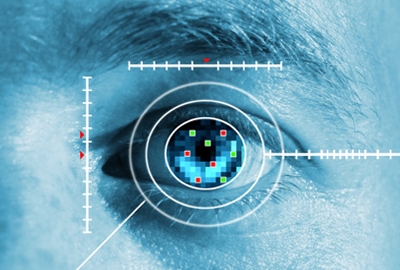
Image processing is a research field that aims to transform images acquired from various sources into more desirable forms and to make them suitable for information extraction. The output images produced through image processing are prepared for subsequent stages such as computer vision, pattern recognition, and real-time video applications. Major application areas of image processing include image enhancement, background subtraction, image compression, motion detection, and image segmentation.
Related Projects
- Assist. Prof. Yücel Çimtay – TÜBİTAK ARDEB 3501, Project No. 122E333, “Development of a PC-Based and Helmet-Integrated System for Improving Visibility Degraded by Atmospheric Effects Using Image Enhancement Techniques”
- Assist. Prof. Yücel Çimtay – BAP, T-21-B2010-90069, Automatic Detection and Reporting of Waving Through Traffic Event
- Assist. Prof. Yücel Çimtay – BAP, T-21-B2010-90067, An Enhanced Rate-Distortion Performance Enabling 3D Video Adaptation Framework
- Dr. Öğr. Üyesi Bahaeddin Eravcı
- Dr. Öğr. Üyesi Toygar Akgün
- Dr. Öğr. Üyesi Yücel Çimtay
- Prof.Dr. Ahmet Murat Özbayoğlu
- BİL 467: Görüntü İşleme
Computational Geometry and Mesh Generation
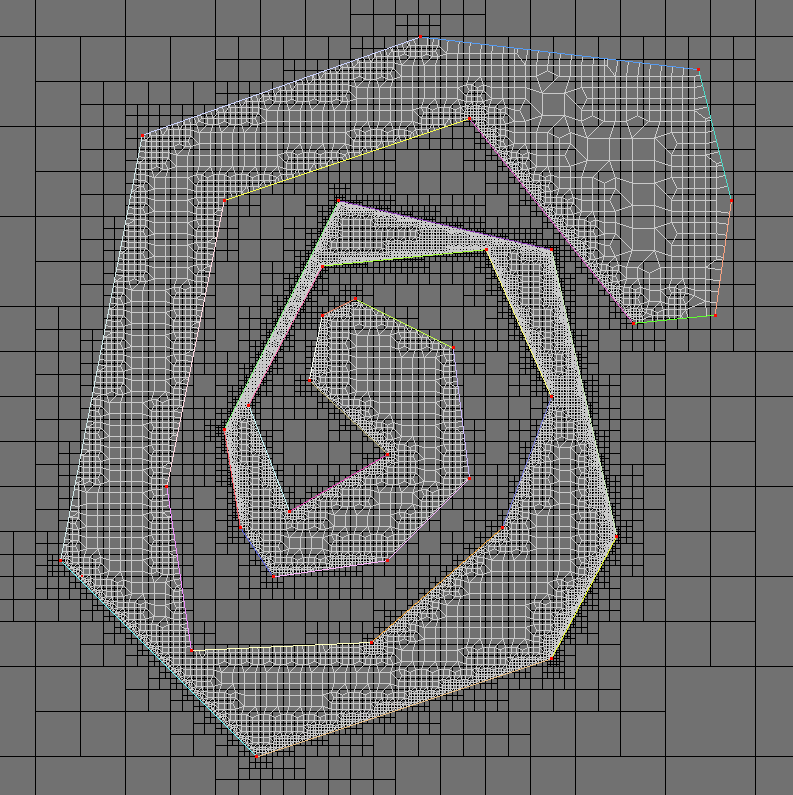
Computational geometry is a subfield of computer science that aims to solve problems with geometric characteristics by developing the necessary data structures and algorithms. Mesh generation can be defined as the process of decomposing a physical domain with complex geometry into smaller and simpler geometric elements such as triangles and quadrilaterals. It is used in a wide range of application areas, including computer graphics, geographic information systems, computer-aided design, geometric modeling, scientific computing, and finite element method analyses. It is a highly interdisciplinary research area.
Methods developed by researchers in various engineering disciplines are often heuristic in nature; while they perform well for selected domains in practice, they may produce inadequate meshes when complex geometries are involved or when specific element properties are required. In contrast, researchers in computational geometry aim to develop mathematically provable methods that generate high-quality meshes for any given domain. Our work focuses on generating quality-guaranteed planar and surface meshes. In addition, we study topics such as implicit representations, efficient neighbor-finding methods, and level-of-detail modeling within the scope of hierarchical simplicial meshes. Hierarchical triangular meshes are used for the representation and rendering of multi-resolution terrain models at different levels of detail; hierarchical tetrahedral meshes are used for the visualization of volumetric data; and four-dimensional meshes are used for the visualization of time-varying fields.
Related Research Laboratories
- Theoretical Computer Science Research Laboratory
- Prof. Dr. Betül Atalay Satoğlu
- BİL 331/531 Algoritma Analizi
- BİL 421 Bilgisayar Grafikleri
- BİL 535 Hesaplamalı Geometri
Machine Learning

It is a research field that focuses on enabling machines to learn and make decisions in a manner similar to humans. Core techniques in this field include linear classifiers, artificial neural networks, decision trees, statistical learning methods, support vector machines, and fuzzy expert systems. The field has a wide range of application areas, including autonomous vehicles, speech recognition, protein sequence analysis, financial risk analysis, scheduling, social networks, and game playing.
Related Research Laboratories
- Computational Biology and Machine Learning Laboratory
- Dr. Öğr. Üyesi Bahaeddin Eravcı
- Dr. Öğr. Üyesi Mehmet Burak Akgün
- Dr. Öğr. Üyesi Mücahid Kutlu
- Dr. Öğr. Üyesi Tolga İnan
- Dr. Öğr. Üyesi Toygar Akgün
- Dr. Öğr. Üyesi Yücel Çimtay
- Prof.Dr. Ahmet Murat Özbayoğlu
- BİL 441: Yapay Us
- BİL 443: Örüntü Tanıma
- BİL 467: Görüntü İşleme
- BİL 476: Veri Madenciliği
Parallel Computing
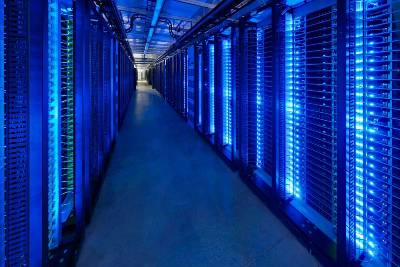
Parallel computing is the execution of large computational tasks by dividing them into smaller parts and processing them simultaneously on multiple processing units. Parallel computation can be performed using various approaches, in which instructions, tasks, or data are distributed across different processing units. The increasing number of processing cores in both graphics processing units (GPUs) and central processing units (CPUs), along with the growing prominence of multi-core architectures, has made parallel computing more meaningful and practical.
- Dr. Öğr. Üyesi Mehmet Burak Akgün
- Dr. Öğr. Üyesi Toygar Akgün
- Prof. Dr. Oğuz Ergin
- BİL 455: Paralel Hesaplama
Robotics
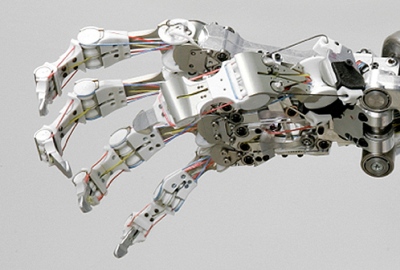
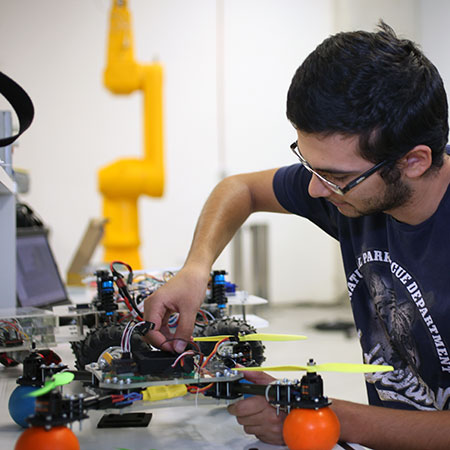
Robotics is an interdisciplinary field that encompasses topics from computer engineering, electrical and electronics engineering, and mechanical engineering. Robotics research can be broadly divided into studies on mobile robots (capable of moving on land, in the air, underwater, or on other planets) and manipulator robots (robotic arms). Research and application areas include robot motion and path planning, processing and interpretation of sensor data, development of software that enables robots to use acquired information for specific objectives, robot body design tailored to different application domains, human–robot interaction, and algorithms that enable effective coordination and collaboration among teams of robots.
Related Research Laboratories
- Robotics Research Laboratory
- BİL 441: Yapay Us
- BİL 443: Örüntü Tanıma
- BİL 467: Görüntü İşleme
- BİL 476: Veri Madenciliği
- BİL 486: Robotik
Artificial Intelligence in Medicine

The rapid growth of healthcare data has accelerated the use of artificial intelligence and machine learning methods, as well as modeling and simulation studies, for analyzing and interpreting data and for informing health policy development. In our department, we conduct research in a wide range of areas, from radiological image recognition to the analysis and prediction of epidemic diseases. Within this framework, we generate synthetic populations using country-specific demographic data and enhance these models through social network analysis to study the modeling and simulation of epidemic diseases such as COVID-19. In addition, we carry out research on topics such as disease surveillance that may affect public health and health-related social media analysis.
Related Research Laboratories
- Epidemic Disease Modeling and Simulation Laboratory
Related Projects
- Mathematical and Agent-Based Modeling and Simulation of Epidemic Diseases from Epidemiological and Economic Perspectives. TÜBİTAK 1001, Project No: 221S893. Principal Investigator: Hasan Güçlü, 2022–2024, Budget: 457,000 TRY.
- Modeling Epidemic Diseases in Migratory and Displaced Dynamic Societies. EU, Horizon 2020 MSCA, Project No: 797816. Principal Investigator: Hasan Güçlü, 2018–2020, Budget: 157,000 EUR.
- Dr. Öğr. Üyesi Bahaeddin Eravcı
- Dr. Öğr. Üyesi Yücel Çimtay
- Prof. Dr. Hasan Güçlü
- BİL 415: Sosyal Ağlar
Theory
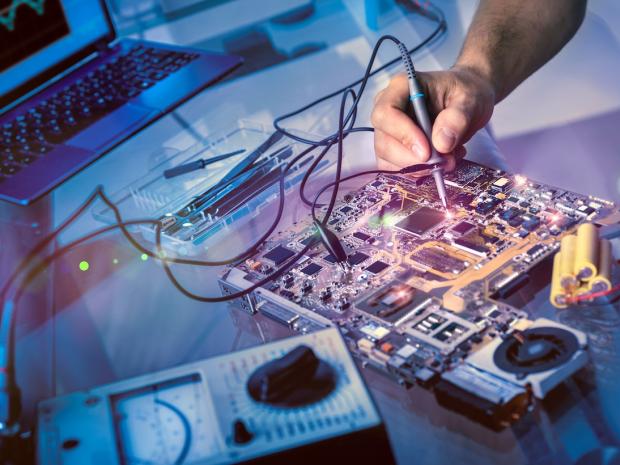
It is a research field at the intersection of computer science and mathematics. It aims to model the mathematical and theoretical foundations required in other areas of computer engineering and to examine the computational properties of these models.
Related Research Laboratories
- Theoretical Computer Science Research Laboratory
- Dr. Öğr. Üyesi Ayşe Mutlu Derya
- Dr. Öğr. Üyesi Buğra Çaşkurlu
- Prof. Dr. Betül Atalay Satoğlu
- BİL 331: Algoritma Analizi
- BİL 334: Biçimsel Diller ve Otomata
- BİL 404: Algoritmik Oyun Kuramı
- BİL 435: Hesaplamalı Geometri
- BİL 514: Hesaplama Kuramı
Data Mining

It is a research field concerned with identifying useful information within large volumes of data, knowledge extraction, data analysis, and data-driven decision making. Major application areas include social network analysis, big data analytics, document content analysis, text mining, bioinformatics, meteorological data analysis, geographic information systems, and related domains.
- Dr. Öğr. Üyesi Ahmet Murat Özbayoğlu
- Dr. Öğr. Üyesi Bahaeddin Eravcı
- BİL 441: Yapay Us
- BİL 443: Örüntü Tanıma
- BİL 467: Görüntü İşleme
- BİL 476: Veri Madenciliği
Software & Systems Engineering
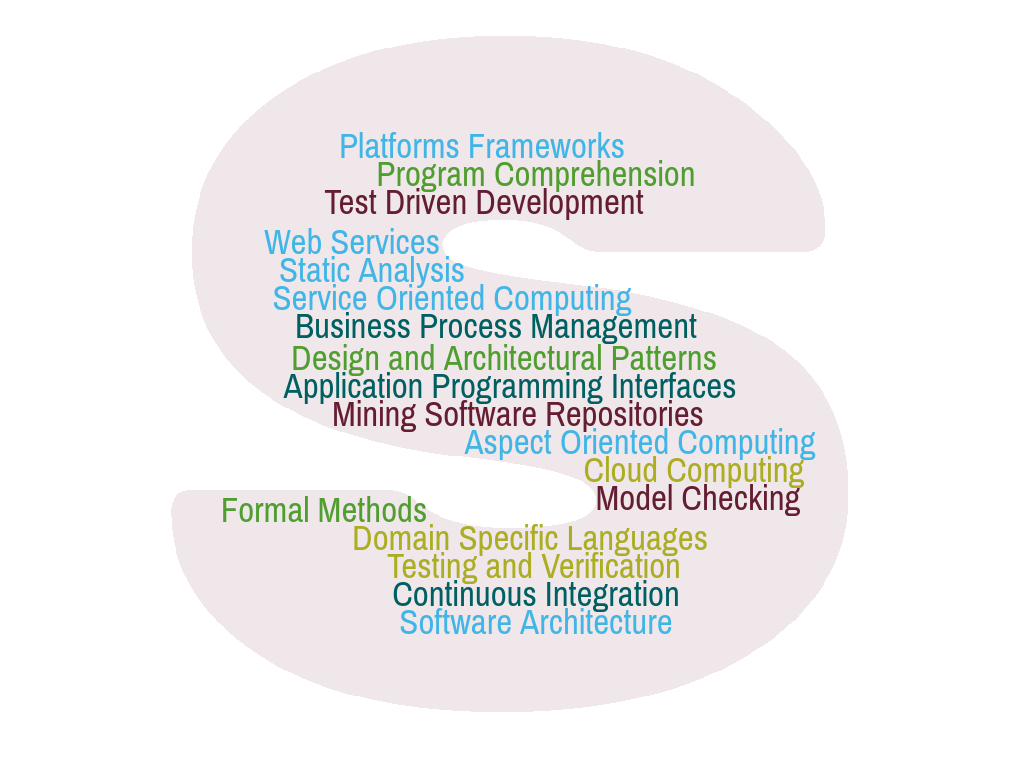
Research activities in this field aim to identify and address important yet unresolved problems that arise throughout the lifecycle of software systems, including design, development, debugging, storage, versioning, deployment, scaling, performance monitoring, maintenance, testing, and updating. Consequently, the outcomes and technologies developed in this area contribute to the creation, sustainability, and long-term success of robust software systems.
Related Research Laboratories:
- Software and Systems Engineering Research Laboratory
- Dr. Öğr. Üyesi Çiğdem Avcı
- BİL 481: Yazılım Mühendisliği
- BİL 482: Tasarım Örüntüleri
- BİL 483: Yazılım Ürün Hatları
- BİL 495: Yenilikçi Bilgisayar Uygulamaları
- BİL 496: Bitirme Projesi
- BİL 588: Yazılım Mühendisliğinde İleri Konular